What should you consider when fitting blinds to roof windows?
Getting the fit right for roof window blinds
Fitting blinds to roof windows is different from fitting them to standard vertical windows. The angle of the window, the type of blind mechanism, and the way the blind is secured all affect how well it works and how long it lasts. Getting it right means thinking about a few key points before you start.
Roof windows are often in bedrooms, bathrooms, or home offices. They let in plenty of light but can also cause glare, heat loss, or privacy issues. A well-fitted blind solves all three. But the wrong fit or the wrong type can lead to frustration, damage, or a blind that simply does not do its job. That is why many homeowners turn to a professional blind fitting service for these tricky windows.
Measuring for roof window blinds
Accurate measurement is the foundation of a good blind fit. With a roof window, you are dealing with a frame that sits at an angle. The depth of the recess, the position of the window handle, and the clearance between the glass and the frame all matter.
Start by measuring the width of the window at three points: top, middle, and bottom. Use the narrowest measurement if you are fitting inside the recess. For an outside fit, measure the width plus enough overlap to cover the frame. The same logic applies to the height, but with roof windows you also need to account for the tilt. A blind that is too long may hit the window sill or the wall below when fully extended.
Do not forget the window handle. Many roof windows have a handle that protrudes into the room. If your blind is fitted inside the recess, the handle may stop the blind from sitting flush or from operating smoothly. Some blinds have cut-outs or special brackets to clear the handle. Others work with a side-winder mechanism that keeps the cord away from the handle. Check the clearance before you order.
Types of blind for roof windows
The most common options are roller blinds, pleated blinds, and blackout blinds. Each has its own pros and cons for roof windows.
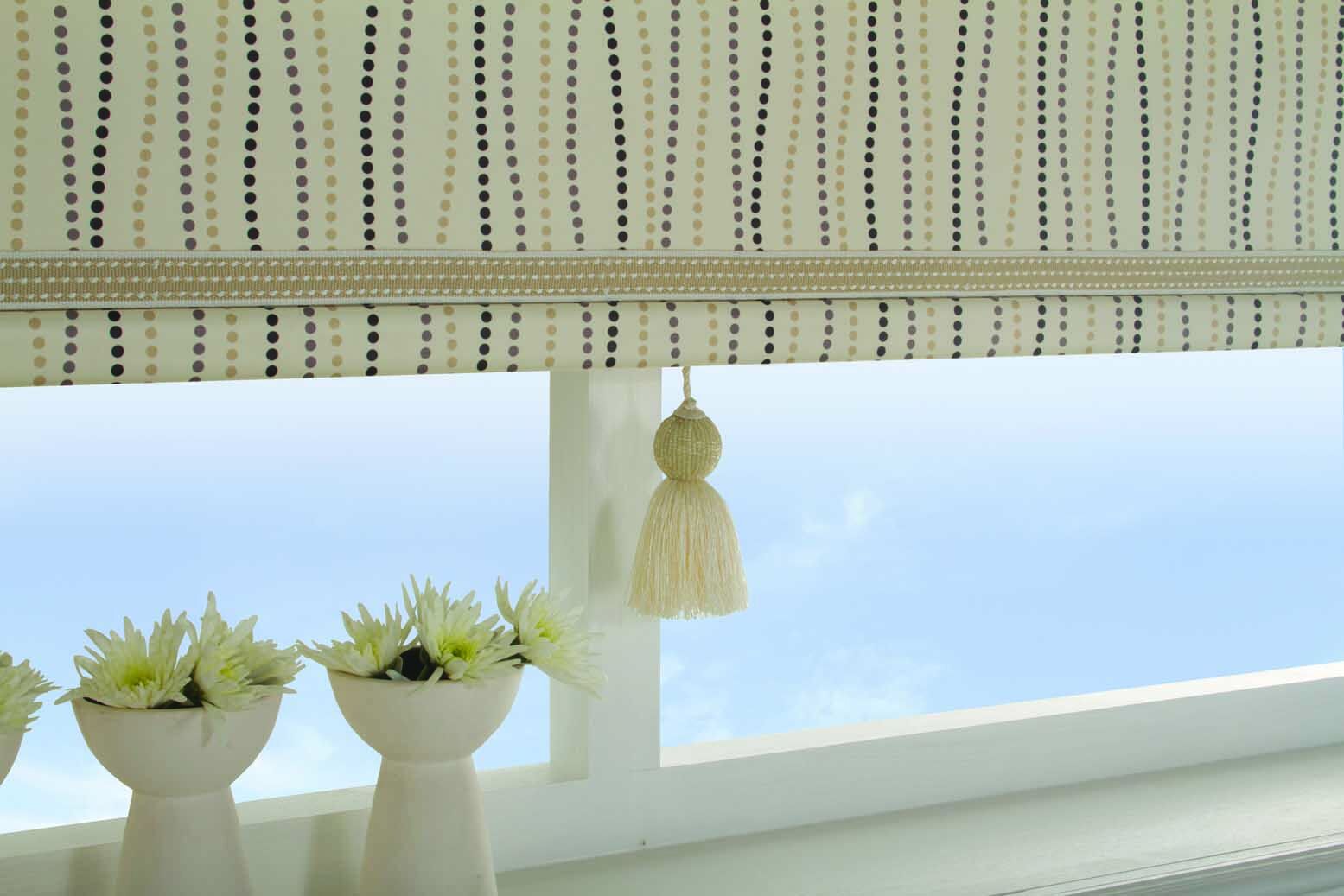
Roller blinds are simple and affordable. They roll up from the bottom or down from the top. For a roof window, a roller blind that is fitted at the top can be pulled down to cover the glass. But the roller mechanism adds depth, which may interfere with the window handle or the frame. A cassette or fascia can hide the roller and make the installation look neater.
Pleated blinds are a popular choice for roof windows because they sit closer to the glass. The fabric folds into a neat stack when raised. They can be fitted with or without a cassette, and they give a clean, tailored look. Some pleated blinds are designed to follow the angle of the window, which helps with a perfect fit.
Blackout blinds are essential for bedrooms or media rooms. They block almost all light, which is great for sleep or screen work. But blackout material can be heavier, so the blind mechanism needs to be strong enough to hold it in place when the window is tilted. A poorly fitted blackout blind may sag or let light in at the edges.
Fitting method: inside or outside the recess
Inside the recess means the blind sits within the window frame, flush with the glass. This looks neat and keeps the blind close to the window, which can help with light control. But you lose a bit of space on each side, and the blind must clear the handle and any hinges.
Outside the recess means the blind is mounted on the wall or ceiling above the window. This gives you more flexibility with size and clearance. The blind can be wider than the frame, which helps block light from the sides. But it means the blind sticks out into the room, which can be awkward in tight spaces or if the window is near a wall.
For roof windows, an outside fit is often easier because you do not have to work around the handle. But it does add depth, and the blind may need to be long enough to cover the full angle of the window when tilted.
Angle and tilt considerations
Roof windows tilt inwards for cleaning and ventilation. A blind that is fixed in place may not move with the window. Some blinds are designed to be fitted to the window frame itself, so they tilt with the window. Others are mounted on the ceiling or wall and stay in place while the window opens. Which option you choose depends on how often you open the window and how much clearance you have.
If the blind is fitted to the moving part of the window, the mechanism must be able to handle the angle change. A standard roller blind may sag or jam when the window is tilted. A pleated blind with tensioned cords can hold its shape better. Always check the manufacturer's instructions for the maximum tilt angle allowed.
Another angle to think about is the direction the window faces. South-facing windows get strong sunlight for most of the day. A blackout or reflective blind can reduce heat gain. North-facing windows get softer light, so a sheer or light-filtering blind may be enough. The angle of the blind itself also affects how much light it blocks. A blind that sits at the same angle as the glass will block more light than one that hangs vertically.
Safety and child safety
Blinds with cords or chains can be a hazard for young children. Roof windows are often in bedrooms or playrooms, so safety is a real concern. Many modern blinds come with child-safe mechanisms such as breakaway cords, tensioners, or cordless operation. If you choose a blind with cords, make sure the cords are kept short and secured out of reach.

Professional blind fitting can also include fitting safety devices such as cleats or cord guides. These are simple but effective if fitted correctly. If you are unsure about the safety requirements, it is worth asking a professional to do the job.
Professional blind fitting: when to call in the experts
Fitting a blind to a standard vertical window is a job many people can do themselves. But roof windows add complexity. The angle, the handle, the tilt mechanism, and the need for a snug fit all make it harder to get right. Mistakes in measuring or fitting can mean the blind does not operate, lets in light, or falls off.
That is where a professional blind fitting service comes in. A good fitter will measure the window accurately, recommend the best type of blind for the situation, and install it securely. They will also check that the blind works with the window's tilt and handle, and that all safety requirements are met. For homeowners in Derbyshire and nearby areas, Peak Blinds - Hand Fitted Blinds - Derbyshire offers precisely this kind of tailored service, ensuring the blind fits perfectly and operates smoothly for years to come.
Professional fitting also saves time and hassle. Instead of measuring twice, ordering, waiting, and then struggling with installation, you get a single visit that handles everything. The result is a blind that looks good, works well, and lasts.
Common mistakes to avoid
One of the most common mistakes is measuring the window when it is closed. Roof windows often have a slight gap at the top or bottom when closed, which changes the effective size of the opening. Always measure with the window in its normal closed position, and check the measurement at the points where the blind will sit.
Another mistake is forgetting about the handle. Even a small handle can stop a blind from sitting flush. Some blinds have a cut-out for the handle, but you need to specify this when ordering. If you are fitting the blind yourself, measure the handle's projection and make sure the blind brackets clear it.
Using the wrong fixings is another common error. Roof windows may be fitted into timber, uPVC, or aluminium frames. Each type needs a specific kind of screw or bracket. Using the wrong fixings can damage the frame or cause the blind to fall. A professional fitter will have the right fixings for each material.
Finally, do not assume that a standard off-the-shelf blind will fit a roof window. Most roof windows are non-standard sizes, especially if they are older or from a less common brand. Made-to-measure blinds are almost always the better choice. They cost a little more but they fit properly and work as intended.
Maintenance and care
Once the blind is fitted, it needs some care to keep working well. Dust and dirt can build up on the fabric and the mechanism. For roof windows, the blind may be harder to reach, so cleaning can be a challenge. Pleated blinds can be vacuumed gently with a brush attachment. Roller blinds can be wiped with a damp cloth. Check the manufacturer's instructions for specific care guidelines.
The mechanism itself may need occasional lubrication. A silicone spray on the brackets and roller can keep things moving smoothly. Avoid oil-based lubricants, as they can attract dust and cause the blind to stick.
If the blind starts to sag or the cords become loose, it is usually a sign that the fitting needs adjustment. A professional can often fix these problems quickly. Trying to fix it yourself could make things worse or damage the blind.
For those in Derbyshire looking for reliable installation and ongoing support, Peak Blinds - Hand Fitted Blinds - Derbyshire is a trusted choice. Their experience with roof windows means they know the pitfalls and how to avoid them.
Final considerations
Fitting blinds to roof windows is not a one-size-fits-all job. The type of blind, the fitting method, the angle, and the window handle all influence the final result. Taking the time to measure carefully, choose the right blind, and fit it properly will save you from frustration later. If the job feels too complex, a professional fitting service is a sensible investment. It ensures the blind works as it should and gives you peace of mind.